





The Science of Craving – How Pavlov’s ‘Conditioned Reflex’ Explains Our Love for Food
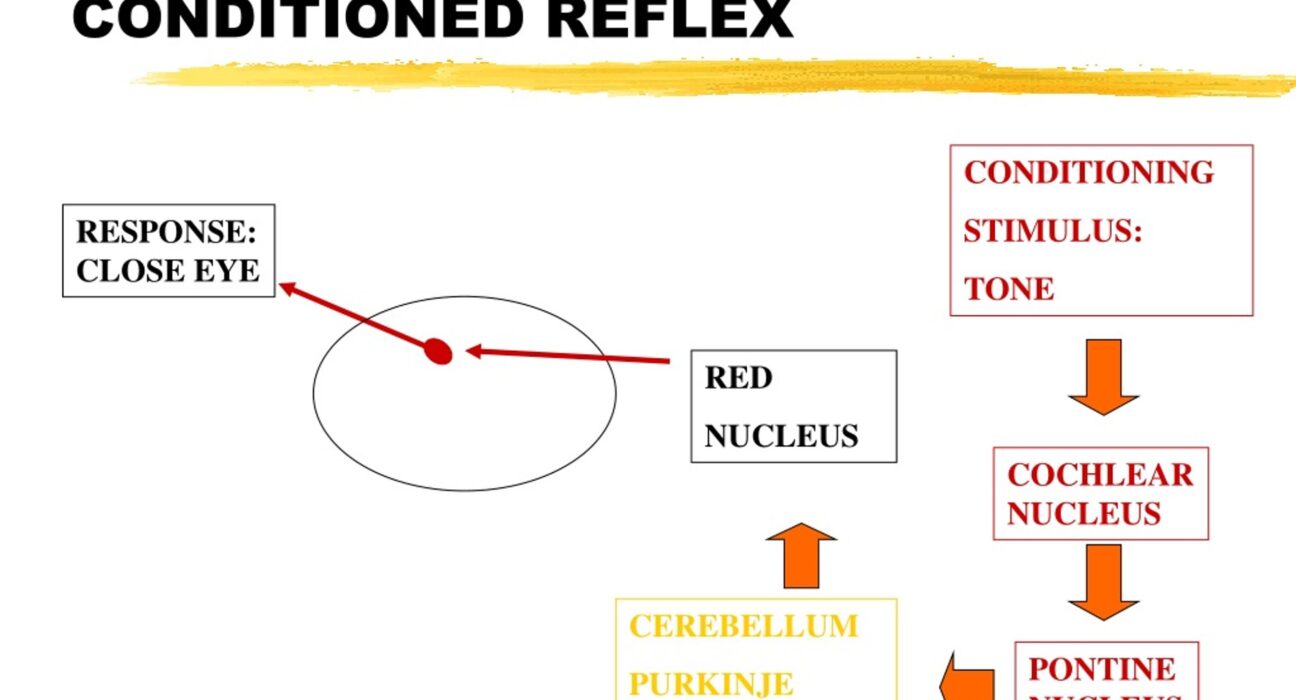
Every time you smell biryani, samosas, or freshly fried pakoras, your mouth begins to water — almost automatically. But have you ever wondered why? It’s not just hunger; it’s psychology. The answer lies in a powerful phenomenon known as the conditioned reflex, first discovered by Russian physiologist Ivan Pavlov in the late 19th century.
Pavlov’s Famous Experiment
Pavlov (1849–1936) conducted a groundbreaking study using dogs. Each time he fed the dog meat, he also rang a bell. After several days, the dog began to salivate merely at the sound of the bell — even when no food was presented. Pavlov realized that the dog had formed a conditioned reflex, associating the sound with the pleasure of eating.
This discovery transformed how scientists understood learning, behavior, and the brain’s response to stimuli. From food cravings to emotional reactions, much of human behavior can be traced to similar patterns of conditioning.
Conditioned Reflex in Daily Life
In modern times, we see this reflex everywhere — from roadside billboards showing juicy burgers to the familiar jingle of an ice cream truck. The brain’s receptors respond to these cues by releasing signals that trigger saliva, hunger, and the urge to eat. Over time, this cycle strengthens, shaping habits, cravings, and even marketing strategies that exploit our subconscious responses.