




Food, Desire, and Wellbeing – How Diet Influences Sexual Health and Energy

Can your diet affect your libido? According to the philosophy of Kamasutra Yog, the answer is yes. Certain foods not only nourish the body but also boost mood, energy, and sexual vitality. On the other hand, processed or heavy foods may suppress desire and lower performance.
The Connection Between Food and Desire
When the body engages in sexual activity, it releases chemicals like dopamine (the reward hormone), oxytocin (the “cuddle” hormone), serotonin, and endorphins — all linked to pleasure and happiness. However, studies suggest that diets high in sugar, salt, or saturated fats can make one feel lethargic and reduce sexual interest. Excessive alcohol, tobacco, or caffeine intake may further dull desire and hinder orgasm.
Natural Aphrodisiacs that Boost Libido
Ancient traditions across India, China, and Greece identified foods that enhance desire naturally.
- Celery: Stimulates andosterone, enhancing sexual drive.
- Bananas: Rich in potassium and enzymes that support hormone growth.
- Pomegranate seeds: Symbol of fertility and vitality.
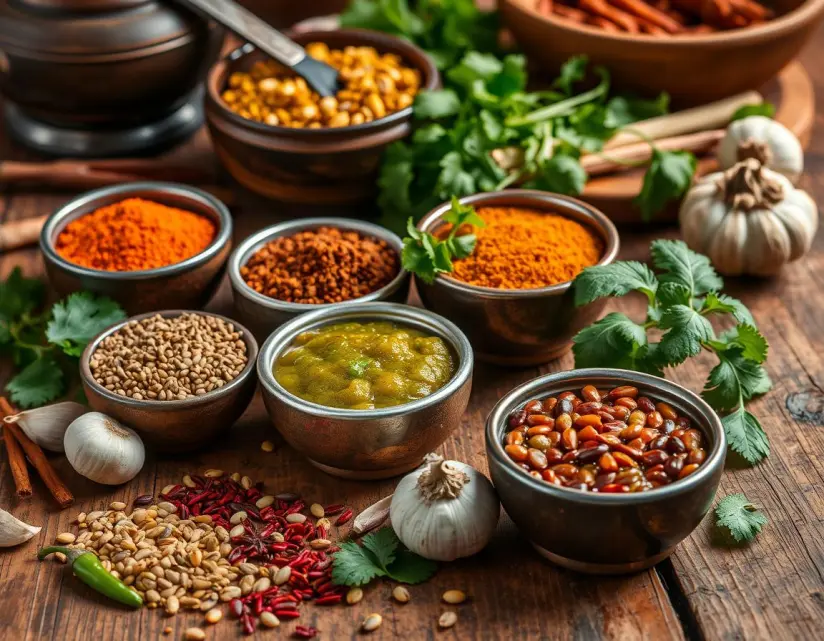
- Ginger, garlic, onions, and peppers: Known to heighten sexual arousal.
- Mustard oil and seeds: Stimulate the glands of desire.
- Oats and nutmeg: Boost testosterone and mood.
Natural Supplements for Energy and Stamina
Modern research also supports herbal supplements like Ginseng, Yohimbe, Butea Superba, and Ginkgo Biloba for improving stamina and blood circulation. These natural ingredients enhance sexual health while promoting overall wellness.
The “Elixir of Love”
For those seeking a natural energy boost, a simple mix of oats, pomegranate seeds, bananas, figs, cardamom, and cloves — as recommended in Kamasutra Yoga — can act as a nourishing, mood-lifting tonic.
Conclusion:
From conditioned food cravings to the link between diet and desire, both science and tradition agree on one thing — what we eat doesn’t just feed our body; it shapes our emotions, behavior, and even our deepest instincts.